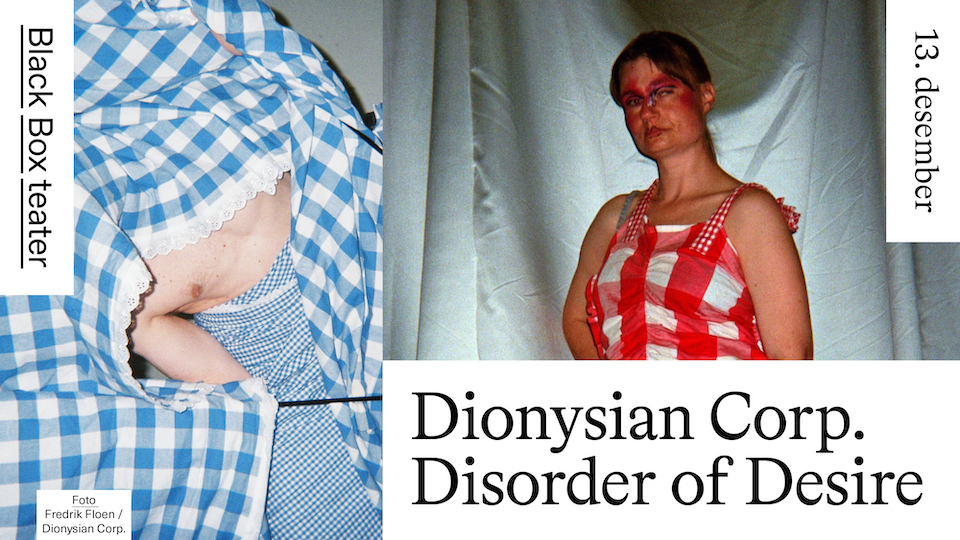
13 December
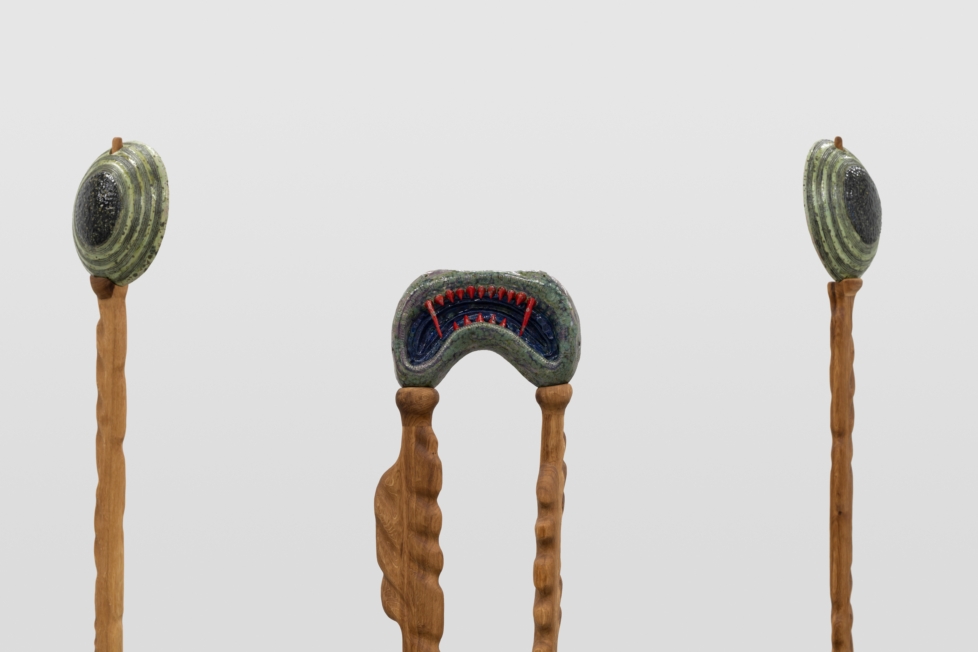
This year, artist Tue Greenfort found shelter at a biennial in the far north.
As we move forward, it's essential to remember that the fight against backroom casting couch culture is not just about the entertainment industry; it's about creating a broader cultural shift. We must recognize that exploitation is a societal issue, one that requires a comprehensive and sustained response.
4.5/5 stars
In the landscape of 21-century adult media, few brands have achieved the ubiquitous, albeit controversial, recognition of "Backroom Casting Couch" (BRCC). By utilizing a specific aesthetic—a sparse office, a simple black couch, and a handheld camera—the series pioneered the "fake amateur" trope. Within this framework, specific performers like "Hope Free" represent the intersection of viral marketing and the curated performance of "ordinary" life. The Aesthetic of Authenticity
However, with the advent of the #MeToo movement, the narrative shifted from a "dirty secret" to a recognized form of systemic abuse and workplace harassment. This historical context is vital because it explains why "casting" scenarios carry such heavy psychological weight in popular culture. The "Backroom" Aesthetic in Modern Media


As we move forward, it's essential to remember that the fight against backroom casting couch culture is not just about the entertainment industry; it's about creating a broader cultural shift. We must recognize that exploitation is a societal issue, one that requires a comprehensive and sustained response.
4.5/5 stars
In the landscape of 21-century adult media, few brands have achieved the ubiquitous, albeit controversial, recognition of "Backroom Casting Couch" (BRCC). By utilizing a specific aesthetic—a sparse office, a simple black couch, and a handheld camera—the series pioneered the "fake amateur" trope. Within this framework, specific performers like "Hope Free" represent the intersection of viral marketing and the curated performance of "ordinary" life. The Aesthetic of Authenticity backroom casting couch hope free
However, with the advent of the #MeToo movement, the narrative shifted from a "dirty secret" to a recognized form of systemic abuse and workplace harassment. This historical context is vital because it explains why "casting" scenarios carry such heavy psychological weight in popular culture. The "Backroom" Aesthetic in Modern Media As we move forward, it's essential to remember
This year, artist Tue Greenfort found shelter at a biennial in the far north.
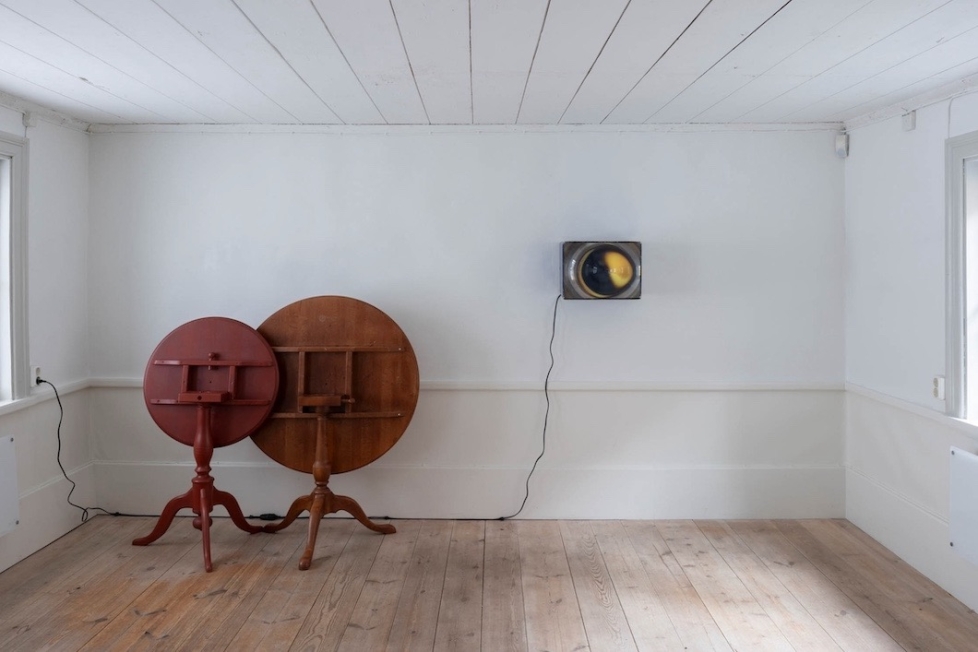
Kunstkritikk’s Abirami Logendran shares three art encounters that stayed with her this year.
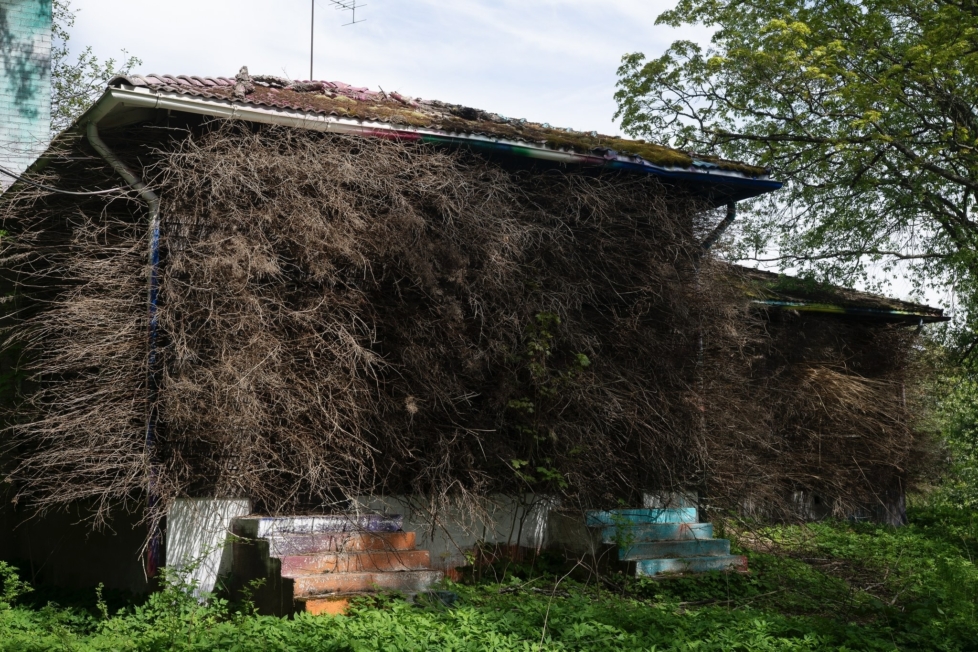
Art critic Nora Arrhenius Hagdahl recalls this year’s magical Narnia moments.